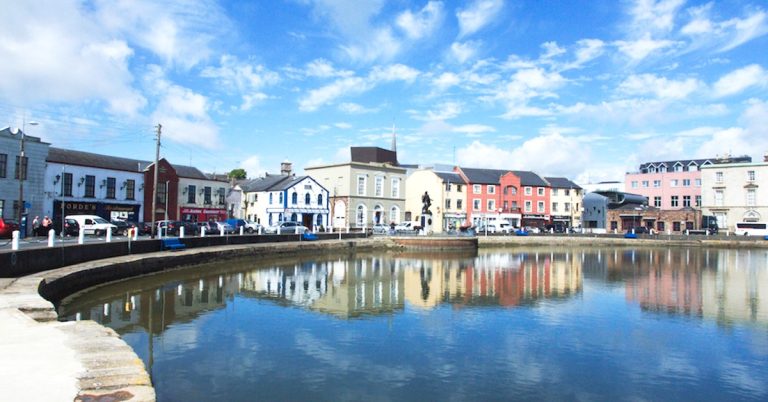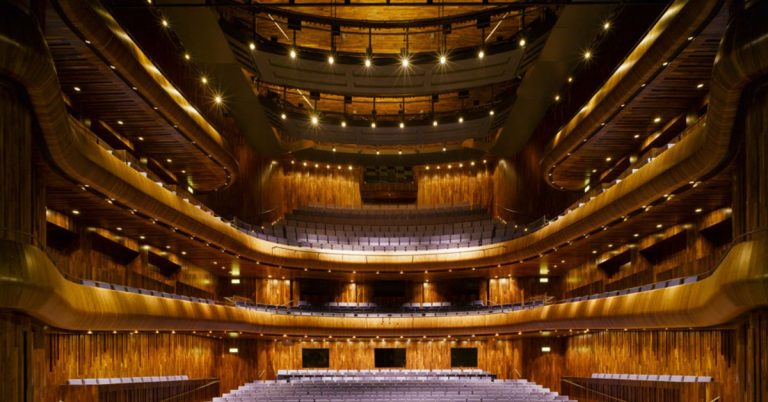
In 914 AD, a fleet of Viking longships sailed up the River Suir and established a fortified settlement on the southern bank. They called it Vadrefjord. Over a thousand years later, the streets they laid out are still there — narrow, slightly crooked, and packed with history at every turn. This is the Viking Triangle, and a morning spent walking it is the single best introduction to Waterford City.
What Is the Viking Triangle?
The Viking Triangle is the name given to the historic core of Waterford — a compact area bounded by three medieval towers (Reginald’s Tower, the Watch Tower and the Double Tower) and containing the densest concentration of Viking and medieval history in Ireland. The archaeological excavations carried out here in the 1980s and 90s were the largest urban digs ever undertaken in the country, and what they revealed reshaped our understanding of early medieval Ireland.
How to Walk It
The Triangle is small enough to cover on foot in half a day, though you could easily spend a full day if you go inside all the museums. Start at Reginald’s Tower on the quays and work your way through the medieval lane network toward the Medieval Museum on Cathedral Square. The streets between — Lady Lane, Greyfriars, Peter Street — reward slow walking. Look up at the upper floors of buildings; the medieval fabric is often visible above the modern shopfronts.
The five Waterford Treasures museums are all within the Triangle and are best visited with a combined ticket. They cover the full sweep of the city’s history from the Viking founding through the medieval peak, the Georgian era and the 20th century. Between museums, Cathedral Square is a pleasant place to sit, and the surrounding streets have independent cafés, craft shops and bakeries worth exploring.
What to Look For
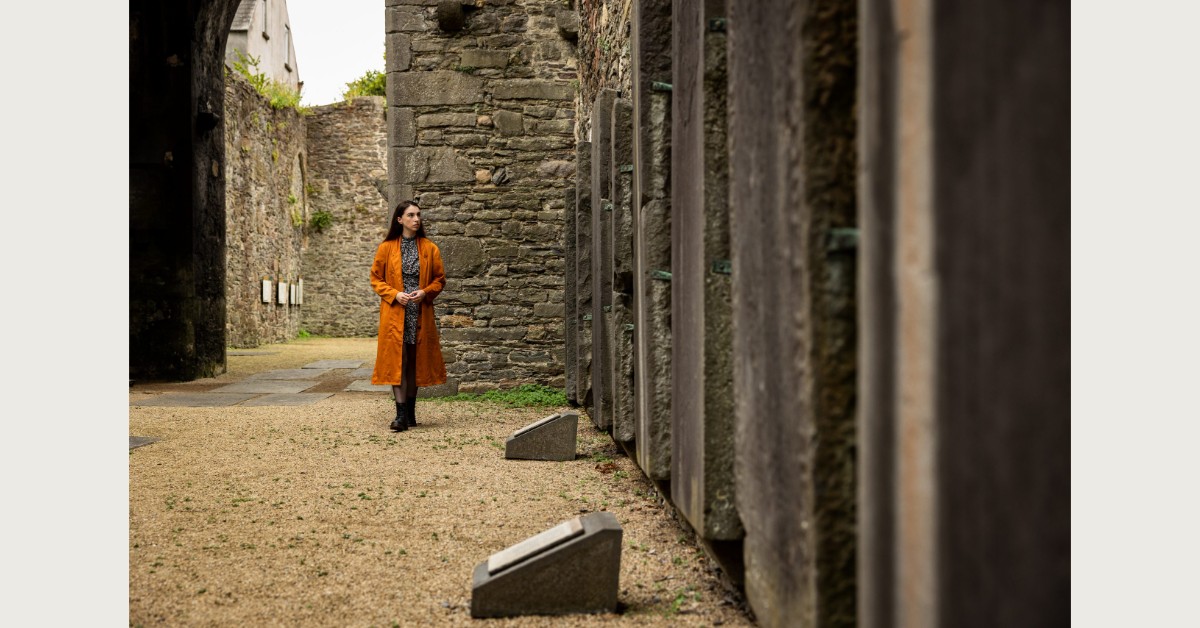
The city walls are the feature most visitors miss. Large sections of the original medieval walls still stand — some integrated into later buildings, some free-standing — and a trail of plaques and markers guides you along their route. The city’s French Church (the ruins of a 13th-century Franciscan friary) is one of the most atmospheric spots in Waterford and is free to visit. Christ Church Cathedral, just off Cathedral Square, carries nearly a thousand years of history and houses the remarkable sculpted tomb of James Rice, a 15th-century mayor, which depicts his decomposing body in extraordinary and unsettling detail.
When to Visit
The Viking Triangle is at its quietest on weekday mornings, when the museums are open but the day-trip crowds haven’t yet arrived. Summer weekends can be busy, particularly around the quays. The area is equally rewarding in winter, when the museums are less crowded and the city has a different, more local character. Several of Waterford’s best restaurants are within or adjacent to the Triangle, making it easy to combine a morning of culture with a very good lunch.
The Viking Triangle features in our guide to the Top 15 Things to Do in Waterford.
Frequently Asked Questions
What is the Viking Triangle in Waterford?
The Viking Triangle is the historic core of Waterford City — a compact medieval quarter bounded by three surviving towers, including Reginald’s Tower which dates to the early 11th century. It contains the highest concentration of Viking and medieval heritage in Ireland and is home to the five Waterford Treasures museums. Waterford was founded by Vikings in 914 AD, making it Ireland’s oldest city.
How long does it take to walk the Viking Triangle?
Walking the Viking Triangle route itself takes approximately one hour at a gentle pace. Visiting all five Waterford Treasures museums within the Triangle would take a full day. A visit to two or three museums combined with a walk through the medieval street network makes for a comfortable half-day. The Heritage Trail is waymarked and self-guided maps are available free from visitor centres.
What museums are in the Viking Triangle Waterford?
Five museums make up the Waterford Treasures collection: Reginald’s Tower (Viking artefacts and history), the Medieval Museum (Henry VIII’s Cap of Maintenance and Cloth of Gold Vestments), the Bishop’s Palace (Georgian and Victorian Waterford), the Irish Museum of Time (Ireland’s only clock museum), and the Irish Wake Museum (Irish funeral traditions and folklore). A combined ticket covers all five.
Is there a combined ticket for the Waterford Treasures museums?
Yes. A Waterford Treasures combined ticket gives access to all five museums — Reginald’s Tower, the Medieval Museum, the Bishop’s Palace, the Irish Museum of Time and the Irish Wake Museum. Individual tickets are also available. The combined ticket is the best value if you plan to visit more than two museums and can be purchased at any of the five sites.
When was Waterford City founded?
Waterford City was founded by the Vikings in 914 AD, making it Ireland’s oldest city. The Viking leader Ragnall mac Ímair established a fortified settlement on the south bank of the River Suir which grew into the city that exists today. The medieval street layout of the Viking Triangle still largely follows the original Viking street plan laid out over eleven centuries ago.