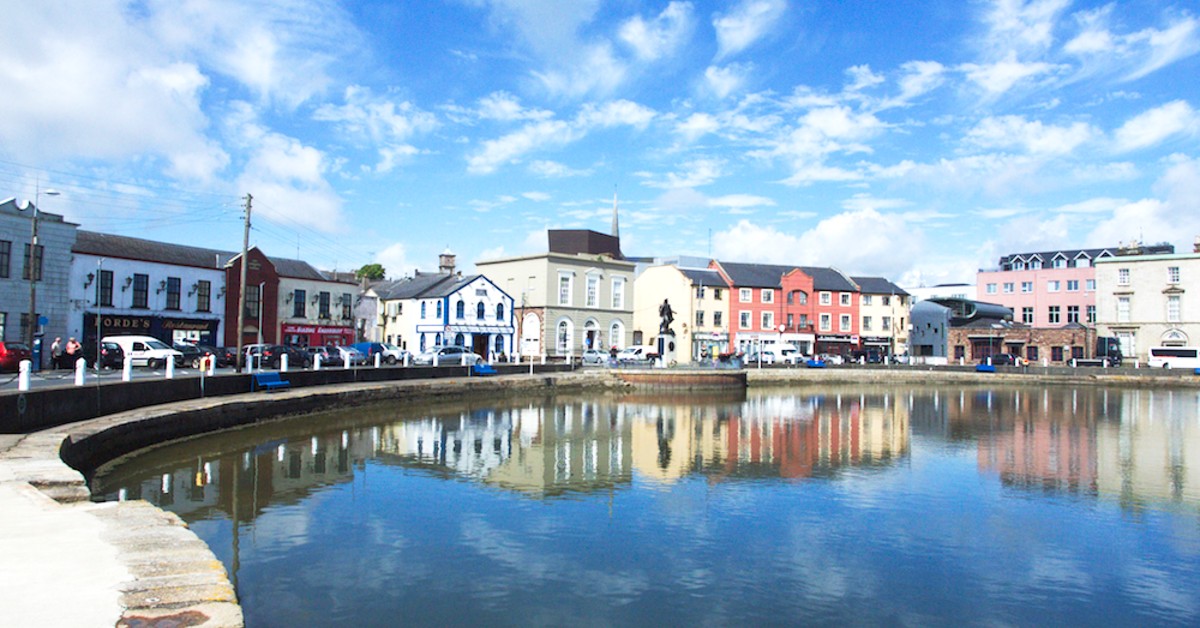
County Wexford is Ireland’s sunny south-east corner, and it packs an extraordinary amount into a single county — the oldest working lighthouse in the world, a puffin-covered seabird island, the ancestral home of an American president, Gothic castles, golden Blue Flag beaches, and 9,000 years of history you can walk through in an afternoon. Whether you’re here for the coast, the history, the wildlife or a family day out, here are the 15 experiences that define a proper visit to Wexford.
1. Climb Hook Lighthouse
At the very tip of the Hook Peninsula stands one of the oldest operational lighthouses in the world. Its great medieval tower, built in the early 13th century by the Norman knight William Marshal, has guided ships for some 800 years — and a beacon has burned on this headland for far longer. Guided tours take you up the spiral stone stairs to the balcony, where the views along the Wexford and Waterford coasts are spectacular. The lighthouse is the climax of the Ring of Hook coastal drive, which loops the peninsula past castles, coves and tiny harbours.
2. Sail to the Saltee Islands
A 20-minute boat ride from the fishing village of Kilmore Quay brings you to Great Saltee, one of the most important bird sanctuaries in Ireland. Between April and July the cliffs are thick with breeding seabirds — gannets, guillemots, razorbills and, best of all, puffins nesting close enough to photograph. Grey seals haul out on the rocks year-round. The islands are privately owned but welcome day visitors; bring everything you need, as there are no facilities. It is one of the great wildlife experiences in the country on a fine summer’s day.
3. Walk the Sands of Curracloe Beach
Just outside Wexford town, Curracloe is an 11-kilometre sweep of golden sand backed by dunes and forest — and a genuine film star. Its pale shoreline doubled for Omaha Beach in the opening of Saving Private Ryan and appeared again in Brooklyn. Beyond the film history it is simply one of Ireland’s finest Blue Flag beaches: safe summer swimming, endless walking, and the Raven Nature Reserve — a pine forest laced with trails — at its southern end. Vast enough that even in August you can walk yourself into solitude.
4. Travel Through Time at the Irish National Heritage Park
On the banks of the Slaney at Ferrycarrig, this open-air museum lets you walk through 9,000 years of Irish history in an afternoon. Sixteen reconstructed dwellings and monuments — from a Stone Age camp and a Bronze Age stone circle to a crannóg, a monastery with a round tower and a Norman fortress — are set across forty acres of woodland and wetland, each built using the methods of its age. Costumed guides, craft demonstrations and an on-site falconry centre bring it all to life. One of the best family days out in the south-east.
5. Explore Johnstown Castle and Gardens
Less than ten minutes from Wexford town, this Gothic Revival castle rises out of its own reflection in an ornamental lake — turrets, battlements and fifty acres of gardens, woodland and water. The beautifully restored ground-floor rooms are open on guided tours, the grounds are dotted with walled gardens, specimen trees and wandering peacocks, and the farmyard houses the Irish Agricultural Museum, one of the best of its kind in the country. A perfect half-day mixing grandeur, gardens and genuine social history.
6. Step Aboard the Dunbrody Famine Ship
Moored on the quay at New Ross is a full-scale, seaworthy replica of an 1840s emigrant vessel — one of the “coffin ships” that carried tens of thousands of starving Irish people across the Atlantic during the Great Famine. The tour is built around live performance: costumed actors play emigrants and crew, telling individual stories that turn an abstract catastrophe into something deeply personal. Stepping into the cramped darkness below decks is one of the most affecting heritage experiences in the country. The visitor centre also houses the Irish America Hall of Fame.
7. Visit the Kennedy Homestead
In a quiet farmyard at Dunganstown stands the cottage from which Patrick Kennedy emigrated in 1848 — a journey that would, three generations later, put his great-grandson in the White House. Still owned and farmed by Kennedy descendants, the homestead tells the story of that famous emigration from the place where it began, tracing the family from humble Famine-era beginnings to JFK’s presidency and his emotional return visit in 1963. Because the farm is still in the family, there is an authenticity here that no reconstruction could match.
8. Wander the JFK Arboretum
On the slopes of Slieve Coillte, overlooking the Kennedy homeland, this 250-hectare park is a living memorial to the assassinated president. Opened in 1968 and funded by Irish-American organisations, it holds some 4,500 types of trees and shrubs from around the world, with forest trails, a lake and a café. The summit gives a panorama across the Barrow and Suir estuaries and five counties. A place to wander slowly, especially beautiful in spring and autumn, and a natural pairing with the nearby Kennedy Homestead and Dunbrody Famine Ship.
9. Lose Yourself at Tintern Abbey
Hidden in woodland on the shore of Bannow Bay, Tintern Abbey is one of the most atmospheric medieval ruins in the south-east. Founded around 1200 by William Marshal in thanks for surviving a storm at sea, the great Cistercian church was later partly converted into a home by the Colclough family, who lived here for centuries. A short woodland walk across an old stone bridge leads to the restored Colclough Walled Garden, and the surrounding estate has trails along the bay. An unhurried half-day of history, woodland and water.
10. Climb Vinegar Hill
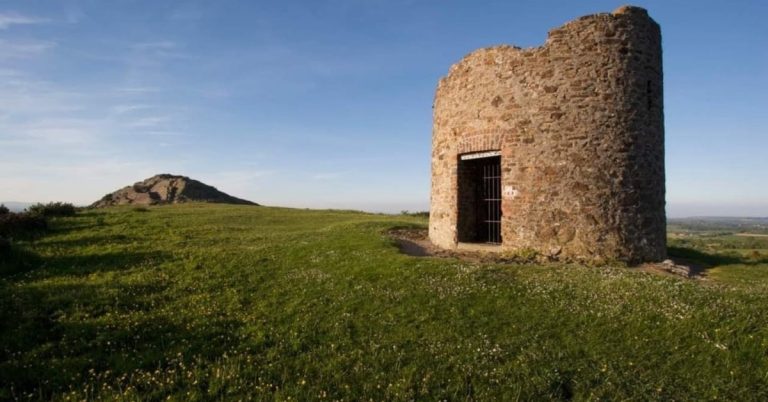
Rising above Enniscorthy, Vinegar Hill is one of the most significant historical sites in Ireland. It was here in June 1798 that the great rebellion of the United Irishmen met its bloody climax, as some 15,000 crown troops stormed the hilltop camp of the Wexford rebels. The short climb to the summit — past the ruined windmill stump the rebels used as a strongpoint — is rewarded with sweeping views over the Slaney valley and a powerful sense of standing on ground where Irish history turned. Pair it with the National 1798 Rebellion Centre in the town.
11. Explore Enniscorthy Castle
Four-square and four-towered in the centre of Enniscorthy, this Norman castle has guarded the River Slaney crossing for the best part of 800 years. Now an absorbing town museum, you can explore it from dungeon to rooftop — covering local history from the Normans through the 1798 Rebellion to the 1916 Rising, with medieval graffiti to spot and a dungeon to peer into. Best of all is the rooftop access to the battlements, with panoramic views across the town to Vinegar Hill. Compact, characterful and well worth an hour.
12. Spend a Day at Wells House and Gardens
Near Gorey in north Wexford, this grand Victorian-Tudor mansion has reinvented itself as one of the county’s best family days out. House tours through restored period rooms satisfy the history lovers, while an animal farm, woodland walks, adventure playground and Mogue’s Enchanted Woodland Walk — a fairy-and-troll trail through the trees — keep children happy for hours. Add craft and design studios in the courtyard, a good café and a busy calendar of weekend markets and events, and you have a destination that genuinely works for all ages.
13. Meet the Pups at Seal Rescue Ireland
In the seaside village of Courtown, Seal Rescue Ireland is the only dedicated seal rescue and rehabilitation centre in the country. It takes in sick, injured and orphaned seal pups from all around the Irish coast, nurses them back to health in its on-site hospital and pools, and releases them to the wild. Guided tours introduce the current residents and explain the work; special feed-and-enrichment and behind-the-scenes experiences get you closer and directly support the charity. Heart-warming, educational and a particular hit with children — book experiences ahead.
14. Catch a Show at the National Opera House
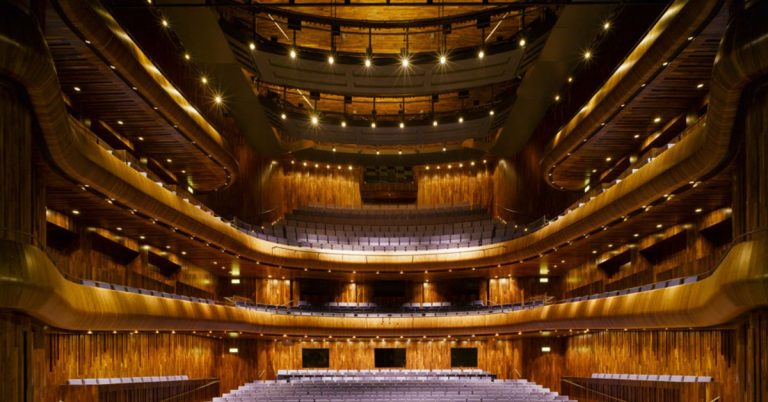
Hidden behind a modest period frontage off Wexford’s High Street is Ireland’s only purpose-built opera house — a world-class 770-seat auditorium and the home of the internationally renowned Wexford Festival Opera. The festival began in 1951 and built its reputation staging rare and rediscovered operas the big houses overlook; every autumn the whole town fills with singers and opera lovers from around the world. Beyond the festival the opera house runs a year-round programme of music, theatre, comedy and dance, so there is usually something on whenever you visit.
15. Find the Twin Churches
Two soaring Gothic spires dominate the Wexford skyline, visible from the quays and miles along the Slaney. They belong to the Twin Churches — the Church of the Immaculate Conception on Rowe Street and the Church of the Assumption on Bride Street — a matched pair of 1850s churches so alike they are all but identical, with spires rising to the same height of around 230 feet. Designed by Robert Pierce, a pupil of Augustus Pugin, they are a testament to the ambition of Famine-era Wexford. Step inside either to appreciate the scale and the light.
Frequently Asked Questions
What is Wexford most famous for?
County Wexford is famous for Hook Lighthouse (one of the oldest working lighthouses in the world), its strong links to US President John F. Kennedy, whose ancestors emigrated from Dunganstown near New Ross, and the internationally renowned Wexford Festival Opera. It is also known for its Blue Flag beaches such as Curracloe, the Saltee Islands seabird sanctuary, and its central role in the 1798 Rebellion, which culminated at Vinegar Hill in Enniscorthy.
How many days do you need in Wexford?
Two to three days lets you do County Wexford justice. Spend one day on the Hook Peninsula (Hook Lighthouse, Tintern Abbey) and the south coast (Kilmore Quay and the Saltee Islands), one day around Wexford town (Irish National Heritage Park, Johnstown Castle, Curracloe Beach), and a third in the New Ross area for the Kennedy heritage sites and the Dunbrody Famine Ship, or in Enniscorthy for Vinegar Hill and the castle.
What is the best time of year to visit Wexford?
May to September offers the best weather and the widest range of open attractions. For puffins on the Saltee Islands, visit between April and July. Late October and early November is the time for Wexford Festival Opera, when the town is at its liveliest. Many outdoor attractions — beaches, Vinegar Hill, the JFK Arboretum — are open and free year-round, with spring and autumn especially good for the gardens and arboretum.
Is Wexford good for families?
Wexford is excellent for families. The Irish National Heritage Park, Wells House and Gardens and Seal Rescue Ireland are all designed with children in mind, Curracloe Beach is safe and spacious for a day on the sand, and Johnstown Castle combines a fairytale castle with gardens and a museum. The Dunbrody Famine Ship and Irish National Heritage Park bring history to life through live performance and hands-on experiences that engage all ages.
What are the best free things to do in Wexford?
Many of Wexford’s best experiences are free. Curracloe Beach and the Raven Nature Reserve, the climb up Vinegar Hill, the Twin Churches in Wexford town, and the Ring of Hook coastal drive all cost nothing. Attractions such as Hook Lighthouse, Johnstown Castle, the Dunbrody Famine Ship, the JFK Arboretum and the Irish National Heritage Park charge admission, but several have free parking and grounds you can enjoy in part without a ticket.